
8K IPTV · heroes
Your viewing guide

8K IPTV
Find your player, add your account and explore the viewing options that matter to you.
Check current channels, titles and events. Platform memberships are separate.
Read the full details
Your player.
Your playlist.
8K IPTV.
Find your player, add your account and explore the viewing options that matter to you.
Check current channels, titles and events. Platform memberships are separate.
START WITH 8K IPTV
Find your player, add your account and explore the viewing
options that matter to you.
PLATFORMS & BROADCASTERS
SPORTS & EVENTS
Check current channels, titles and events • Platform memberships are separate.
Find your player, add your account and explore the viewing options
that matter to you.
Check sources and titles. Platform memberships are separate.
PLAYER & ACCOUNT
YOUR PLAYER. YOUR VIEWING.
Check current channels, titles and events. Platform memberships are
separate.

Regional viewing guides
Tell us the regional sources and languages you need. Test them on your own setup.
Check current channels, titles and events. Platform memberships are separate.
Read the full details
Regional viewing guides
Your language.
Your viewing habits.
Tell us the regional sources and languages you need. Test them on your own setup.
Check current channels, titles and events. Platform memberships are separate.
CHECK YOUR OPTIONS
REGIONAL VIEWING GUIDES
Tell us the regional sources and languages you need. Test
them on your own setup.
PLATFORMS & BROADCASTERS
SPORTS & EVENTS
Check current channels, titles and events • Platform memberships are separate.
Tell us the regional sources and languages you need. Test them on
your own setup.
Check sources and titles. Platform memberships are separate.
PLAYER & ACCOUNT
Tell us the regional sources and languages you need. Test them
on your own setup.
YOUR PLAYER. YOUR VIEWING.
Check current channels, titles and events. Platform memberships are
separate.

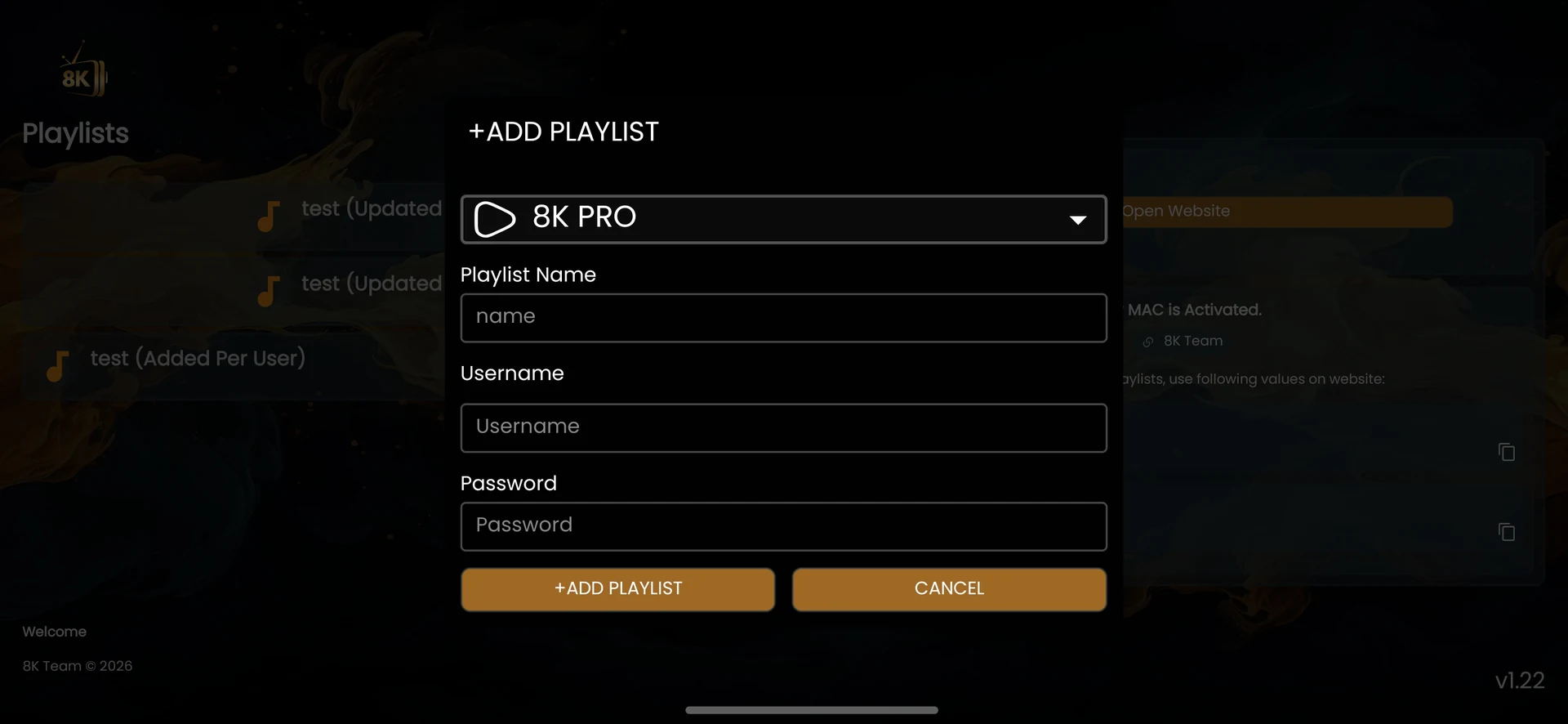
Add your playlist
Open Add Playlist and follow the format supplied for your 8K IPTV account.
Check current channels, titles and events. Platform memberships are separate.
Read the full details
Add your playlist
The right account.
The right fields.
Open Add Playlist and follow the format supplied for your 8K IPTV account.
Check current channels, titles and events. Platform memberships are separate.
OPEN PLAYLIST HELP
ADD YOUR PLAYLIST
Open Add Playlist and follow the format supplied for your
8K IPTV account.
PLATFORMS & BROADCASTERS
SPORTS & EVENTS
Check current channels, titles and events • Platform memberships are separate.
Open Add Playlist and follow the format supplied for your 8K IPTV
account.
Check sources and titles. Platform memberships are separate.
PLAYER & ACCOUNT
Open Add Playlist and follow the format supplied for your Strong
YOUR PLAYER. YOUR VIEWING.
Check current channels, titles and events. Platform memberships are
separate.

A considered renewal
Keep the account and order in agreement.
Read the applicable account and player conditions before ordering.
Read the full details
A considered renewal
Keep the account and order in agreement.
Confirm the account
Choose the next term
Keep the renewal reference
Read the applicable account and player conditions before ordering.
EXPLORE YOUR NEXT STEP
PLAYER & ACCOUNT
A CONSIDERED RENEWAL
1
MONTH
$9.99
DIGITAL SUBSCRIPTION
12
MONTHS
$54.99
PLATFORMS & BROADCASTERS
SPORTS & EVENTS
YOUR PLAYER. YOUR VIEWING.
The sporting week
Make room for matchday.
Weekend football, a race on Sunday or a late basketball game: follow the competitions that give your week its own rhythm.












The entertainment shelf
A story for the evening you have.
Original series, a familiar film, a documentary or something the family can share. Explore the television and streaming brands behind the programmes people talk about.
















Films & series
Stay for another episode.
A new mystery, a favourite character or a film you have been meaning to watch. Browse a little inspiration for the next evening in.



















Platform memberships and broadcaster accounts are separate products. The viewing guides explain the subjects behind the logos; the 8K IPTV plans describe this website’s service.
8K IPTV at 8kpro.tv
Your television routine, in one place.
Choose a compatible player, bring your regular channels into favourites and keep the programme guide close. A simple setup leaves more time for the programme itself.
Our published plans cover one, three, six or twelve months. The player directory brings together VIP+, Fast 8K, Prime and the other provider-listed entries, with separate routes for televisions, streaming boxes, phones and computers.
Start with the screen you own. Once the app is installed, WhatsApp us for the one-day trial. You can spend time with the menus and everyday viewing before deciding which term suits you.
Find your player
The player collection
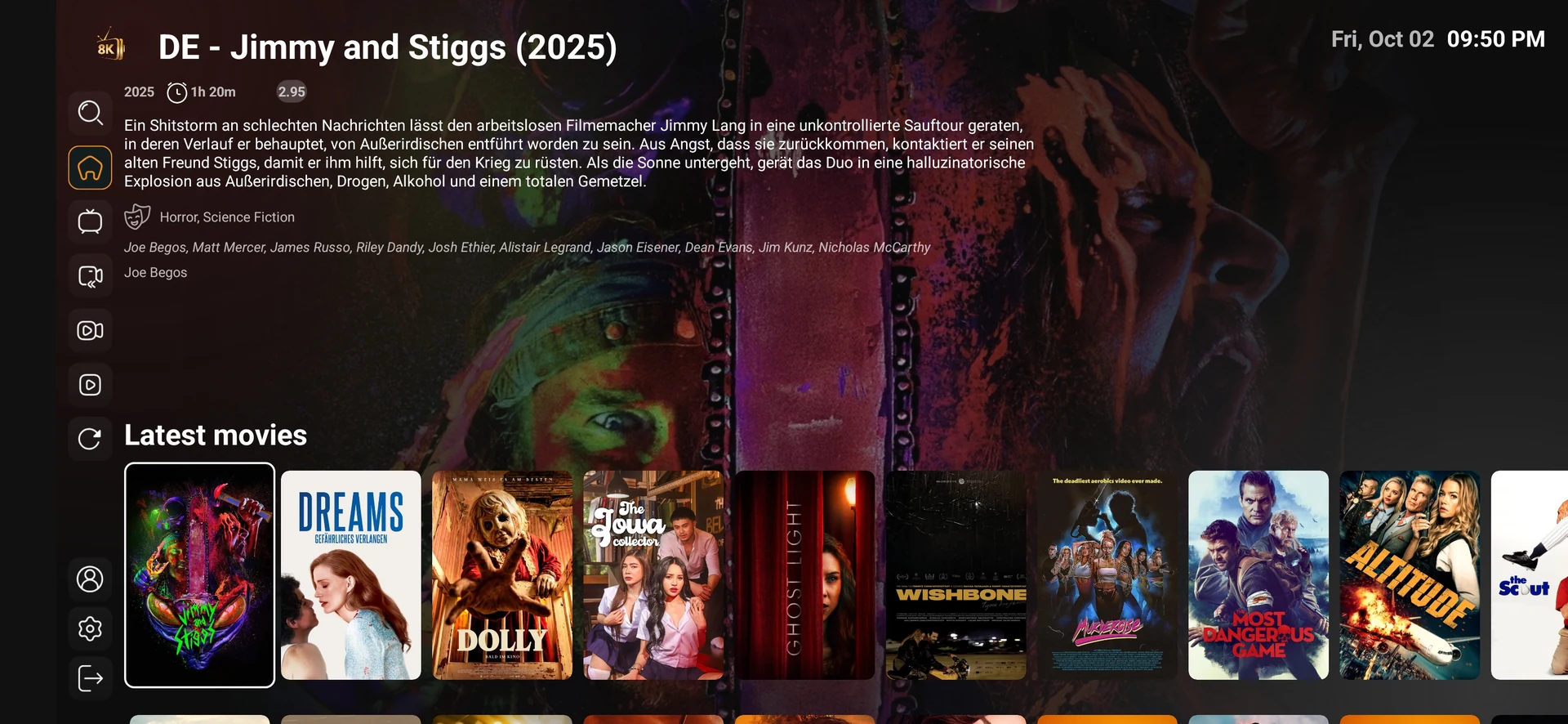
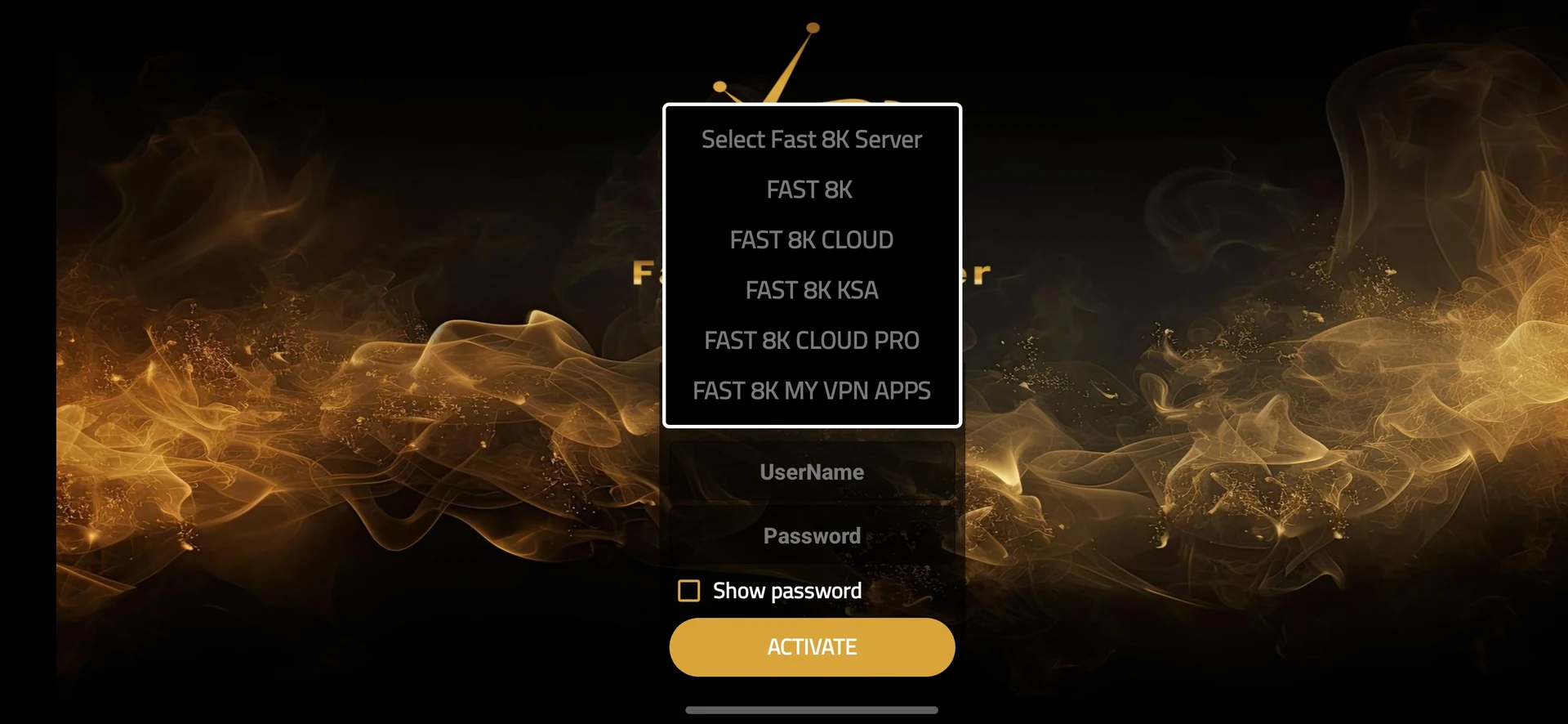
Gold on screen. Familiar controls.
Take a closer look at the VIP+, Fast and Prime interfaces. The app guide opens the route for the player you have installed.
Everyday features
Less time finding it. More time watching.
Small details make a television routine feel familiar: the guide, the favourite channel and the programme you return to.
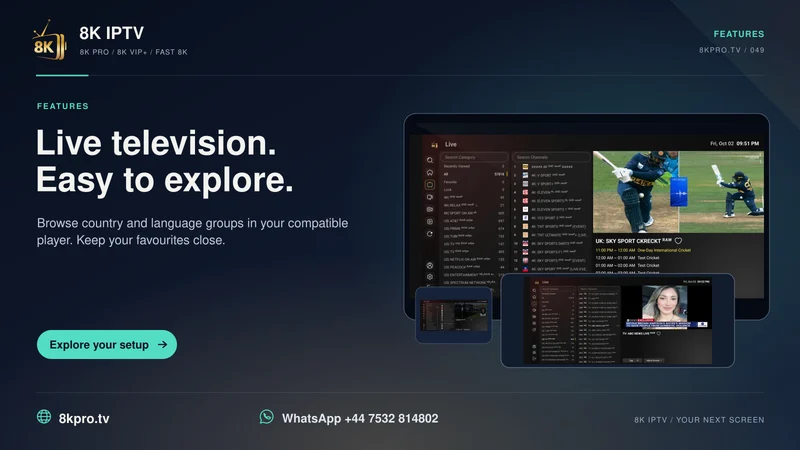
Live television, your way
Keep the news, regular programmes and the channels you return to near the top of your player.
Explore the feature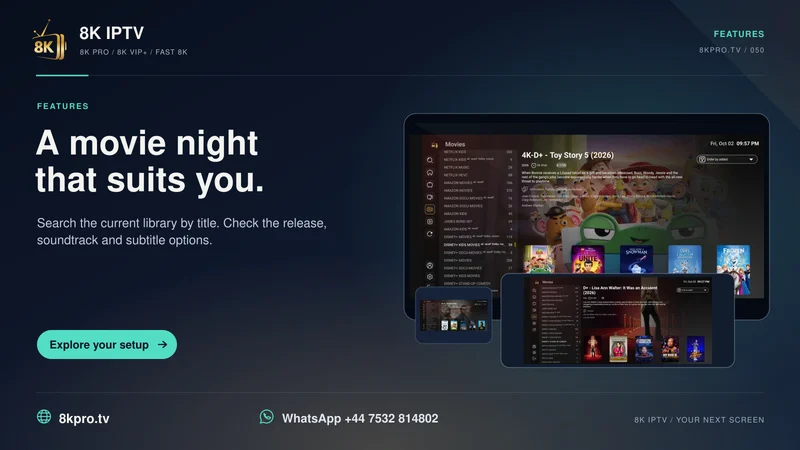
A film or another episode
Make room for a movie night, a returning character or the series everyone is discussing.
Explore the feature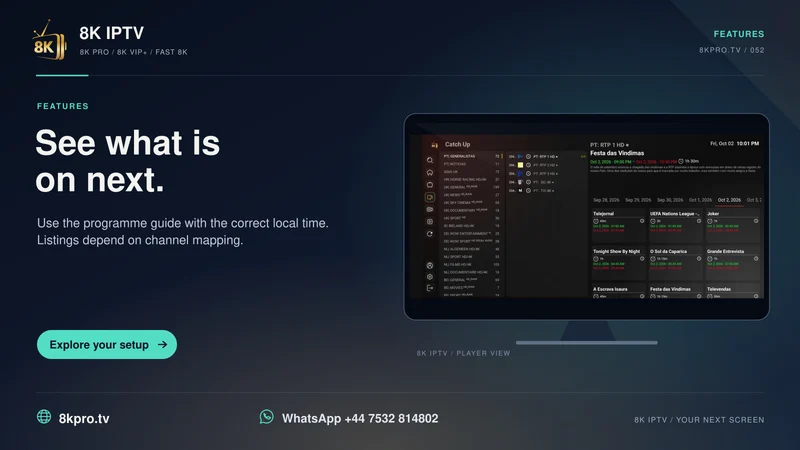
The evening, at a glance
See what is on now and next without losing the programme you came to watch.
Explore the feature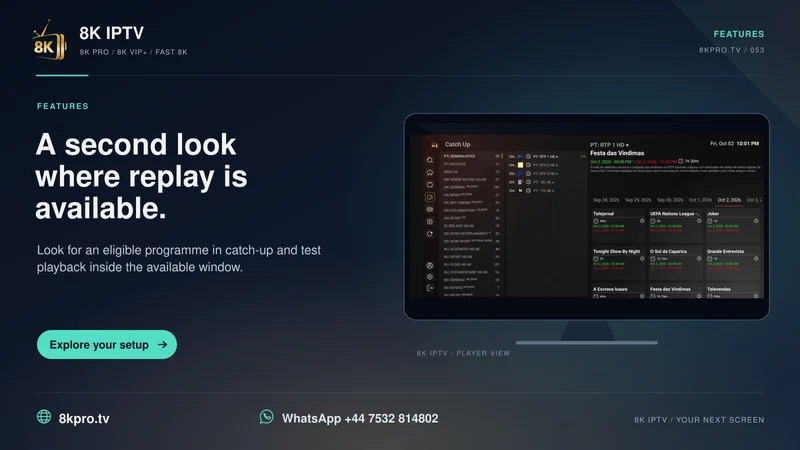
Come back to a programme
Replay can offer another chance to watch on sources that provide a catch-up window.
Explore the feature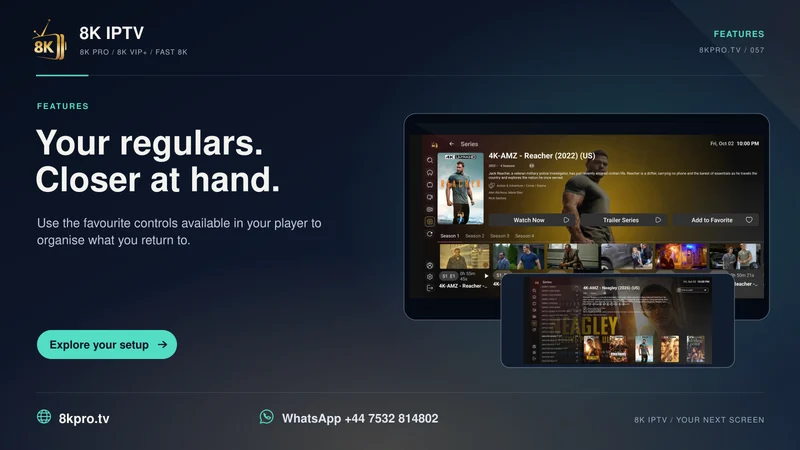
Your regulars, close at hand
A short personal list is easier to use with the remote than a long walk through every category.
Explore the feature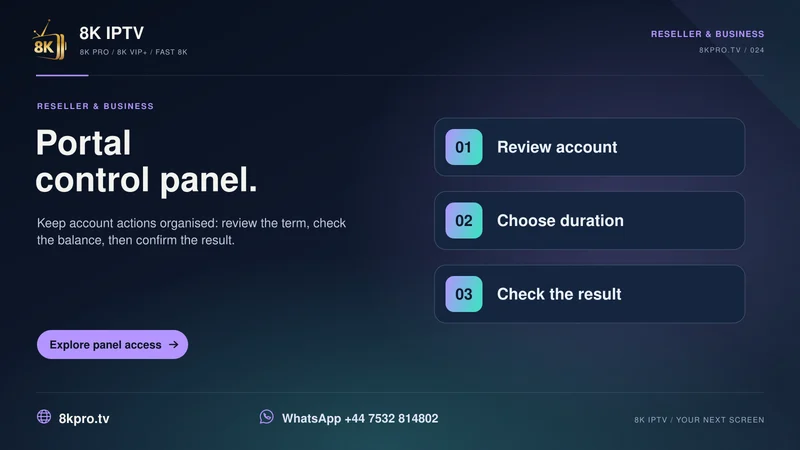
Portal control panel
Customer terms, credit balance and renewals, kept together for the daily reseller work.
Explore the feature8K IPTV subscriptions
Choose the term. See the total.
Four periods, one standard customer connection and the complete price in US dollars.
Digital subscription

1 month
$9.99
USD · complete 1-month term
About $9.99/month for comparison
- One standard customer connection
- Compatible-player setup guidance
- Portal control panel guidance
- Confirm essential channels and titles
Digital subscription

3 months
$24.99
USD · complete 3-month term
About $8.33/month for comparison
- One standard customer connection
- Compatible-player setup guidance
- Portal control panel guidance
- Confirm essential channels and titles
Digital subscription

6 months
$39.99
USD · complete 6-month term
About $6.67/month for comparison
- One standard customer connection
- Compatible-player setup guidance
- Portal control panel guidance
- Confirm essential channels and titles
Lowest monthly equivalent

12 months
$54.99
USD · complete 12-month term
About $4.58/month for comparison
- One standard customer connection
- Compatible-player setup guidance
- Portal control panel guidance
- Confirm essential channels and titles
The full term total is payable for the selected period. Monthly equivalents are rounded comparisons. Confirm the selected order, availability and any separate player licence before payment.
Full-term USD totals. Monthly equivalents are rounded comparisons, rather than monthly instalments. Check your player, source availability and applicable terms before ordering.
One day on your own screen
Get comfortable before choosing a term.
Install your player, send us the app and device names on WhatsApp, and request the one-day trial. It is the first step toward a viewing routine that feels familiar.
Reseller & business
A panel for the daily work.
Keep customer terms, credit balance and renewals together. The published credit packages make the upfront total and unit cost easy to compare.
One standard credit represents one customer month. The issued panel shows its available actions and the actual debit before you confirm a customer term. Wholesale and distribution enquiries use the same published support route.
Explore reseller access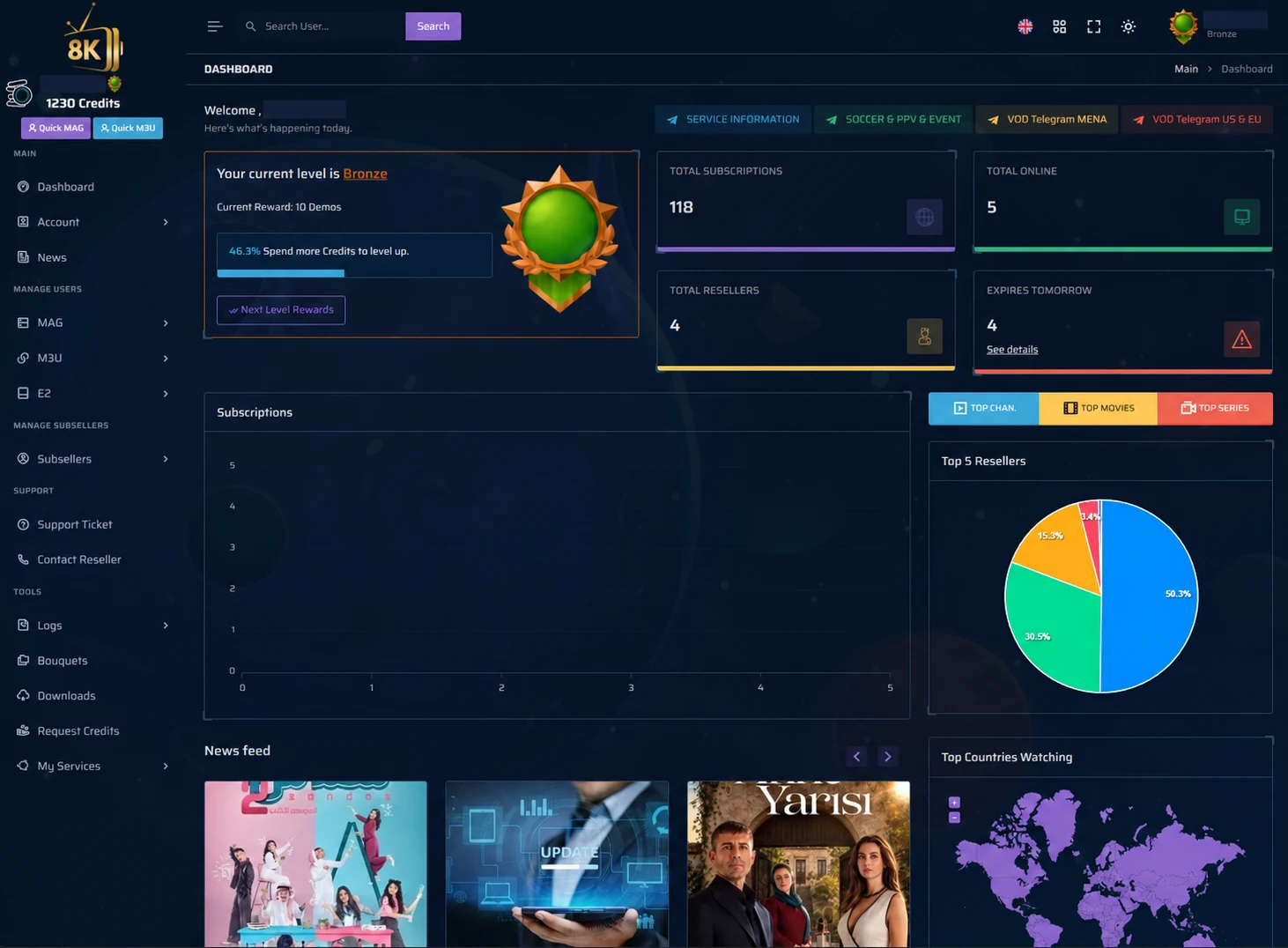
Credit packages
Plan the balance around your customers.
Compare the full package total with the rate per standard customer-month credit.
Digital subscription
1 month
$9.99
USD · complete 1-month term
About $9.99/month for comparison
- One standard customer connection
- Compatible-player setup guidance
- Portal control panel guidance
- Confirm essential channels and titles
Digital subscription
3 months
$24.99
USD · complete 3-month term
About $8.33/month for comparison
- One standard customer connection
- Compatible-player setup guidance
- Portal control panel guidance
- Confirm essential channels and titles
Digital subscription
6 months
$39.99
USD · complete 6-month term
About $6.67/month for comparison
- One standard customer connection
- Compatible-player setup guidance
- Portal control panel guidance
- Confirm essential channels and titles
Lowest monthly equivalent
12 months
$54.99
USD · complete 12-month term
About $4.58/month for comparison
- One standard customer connection
- Compatible-player setup guidance
- Portal control panel guidance
- Confirm essential channels and titles
The full term total is payable for the selected period. Monthly equivalents are rounded comparisons. Confirm the selected order, availability and any separate player licence before payment.
Check the issued panel permissions, package terms and actual debit with support. Credit quantities are separate from subscription durations.
More to explore
Your next viewing interest starts here.
The new sports and entertainment collection opens the guide behind each subject.

Local television. Your language.
8K IPTV for the way your country watches.
National networks, local programmes and the time on your own clock: choose a country for television context, language guidance and a programme-time converter.

8K IPTV USA
American television is local as well as national. Network programmes sit beside station news, regional sport and a viewing day that moves from the Atlantic to the Pacific.
Read the USA guide
8K IPTV Canada
Canada’s television landscape has two important language identities: English-language services and French-language services. CBC and Radio-Canada belong in that conversation as distinct programme brands, alongside local stations and national networks.
Read the Canada guide
8K IPTV Australia
Australian viewing stretches from morning news to evening drama and late-night international sport. ABC, SBS and commercial broadcasters bring different editorial voices, while the country’s east–west distance makes programme timing part of everyday television.
Read the Australia guide
8K IPTV UK
British television brings together public-service broadcasting, commercial channels, specialist sport and a strong catch-up habit. BBC, ITV, Channel 4 and 5 are familiar names, but the channel, regional edition and viewing app are not always the same thing.
Read the UK guideAll countries and territories

Andorra
Andorran television interests can include Catalan-language domestic programmes alongside services from neighbouring Spanish- and French-language markets.
Read the Andorra guide
United Arab Emirates
Television in the United Arab Emirates reflects a multilingual audience, with Arabic, English and several South Asian viewing interests often sharing the same household.
Read the United Arab Emirates guide
Afghanistan
Television interests in Afghanistan can include Dari- and Pashto-language news and programmes, alongside viewing from other regional markets. Language is a better starting point than a broad international label.
Read the Afghanistan guide
Antigua & Barbuda
Antiguan and Barbudan television interests combine local news and culture with a wider Caribbean viewing audience.
Read the Antigua & Barbuda guide
Anguilla
Anguillan television interests can connect local island news and culture with wider Caribbean programmes and international sport.
Read the Anguilla guide
Albania
Albanian-language television connects domestic programmes with an audience across neighbouring markets and overseas households. The channel name helps identify which schedule you mean.
Read the Albania guide
Armenia
Armenian-language television serves viewers at home and a substantial overseas audience. The original broadcaster and programme names help keep that viewing connection clear.
Read the Armenia guide
Angola
Angolan television combines Portuguese-language news and entertainment with domestic cultural programmes and other language interests. A broadcaster name helps identify the local service.
Read the Angola guide
Antarctica
Antarctica’s research stations follow operational time arrangements; this is a geographic flag entry rather than a consumer TV market.
Open the country directory
Argentina
Argentine television combines Spanish-language news, drama, entertainment and a strong football culture. A domestic service name helps distinguish the programme from other Latin American editions.
Read the Argentina guide
American Samoa
American Samoan television interests combine local Samoan programmes with US and wider Pacific viewing.
Read the American Samoa guide
Austria
Austrian television combines national public-service programmes with regional news and German-language entertainment. ORF’s channel identities provide useful context alongside services from neighbouring German-speaking markets.
Read the Austria guideAustralia
Australian viewing stretches from morning news to evening drama and late-night international sport. ABC, SBS and commercial broadcasters bring different editorial voices, while the country’s east–west distance makes programme timing part of everyday television.
Read the Australia guide
Aruba
Aruban television interests can include Papiamento-, Dutch-, Spanish- and English-language programmes. A multilingual household may follow several different programme traditions.
Read the Aruba guide
Åland Islands
Åland’s television interests reflect a Swedish-language community within Finland, alongside wider Nordic viewing.
Read the Åland Islands guide
Azerbaijan
Azerbaijani television combines national news, entertainment and sport with its own language and programme identities. A country-specific list keeps those services distinct from wider regional viewing.
Read the Azerbaijan guide
Bosnia & Herzegovina
Bosnia and Herzegovina has a television landscape shaped by several language and regional identities. A single country heading can conceal the broadcaster a household actually follows.
Read the Bosnia & Herzegovina guide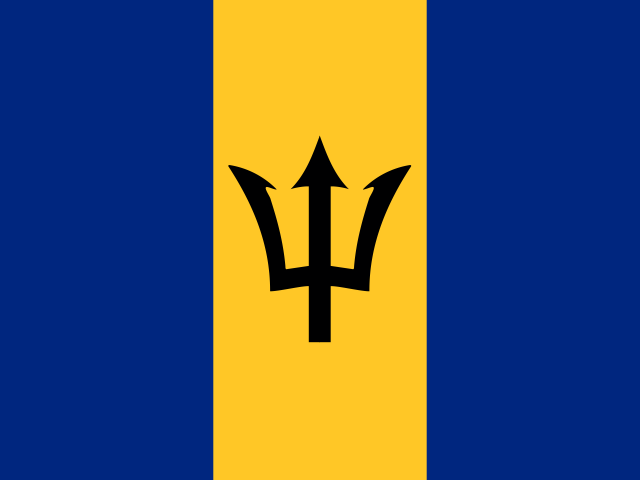
Barbados
Barbadian television combines domestic news, culture and entertainment with a wider Caribbean viewing audience. The local service name adds important programme context.
Read the Barbados guide
Bangladesh
Bangla television has a strong identity in news, drama, entertainment and music. Domestic programmes also connect overseas households with a familiar language and daily routine.
Read the Bangladesh guide
Belgium
Belgian television has distinct Dutch-language and French-language broadcasting identities, with a smaller German-speaking community as well. A country-wide heading can hide those differences.
Read the Belgium guide
Burkina Faso
Television in Burkina Faso serves a multilingual audience, with domestic news and cultural programmes beside French-language and regional viewing.
Read the Burkina Faso guide
Bulgaria
Bulgarian television has its own language, news cycle and entertainment schedule. Cyrillic programme and channel names can make a search more precise than a rough Latin-alphabet spelling.
Read the Bulgaria guide
Bahrain
Bahraini television combines domestic news, culture and entertainment with a wider Gulf viewing audience. The national service identity is useful within a broad Arabic-language list.
Read the Bahrain guide
Burundi
Burundian television serves Kirundi- and French-language viewing interests alongside wider regional programmes. Domestic service names help preserve that context.
Read the Burundi guide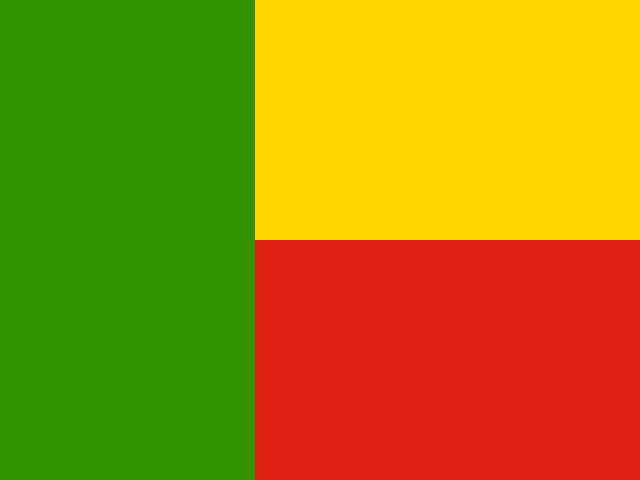
Benin
Beninese television serves French-language and several local-language audiences, with news, culture and entertainment reflecting different communities.
Read the Benin guide
St. Barthélemy
St Barthélemy’s television interests combine French-language viewing with local and wider Caribbean programme context.
Read the St. Barthélemy guide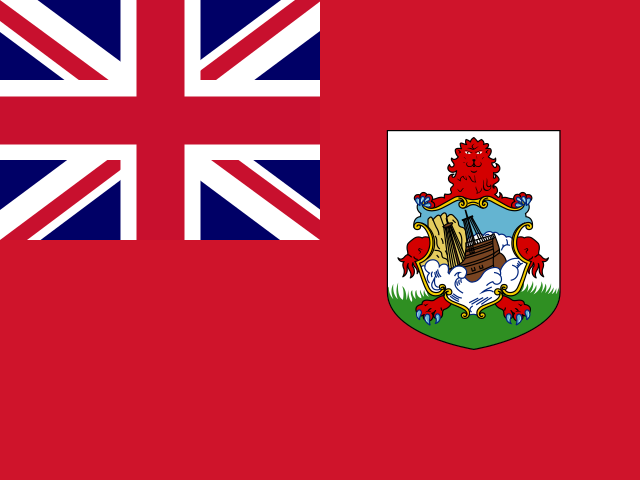
Bermuda
Bermudian television combines domestic programme interests with North American and wider international viewing. Local service identities remain useful beside larger network brands.
Read the Bermuda guide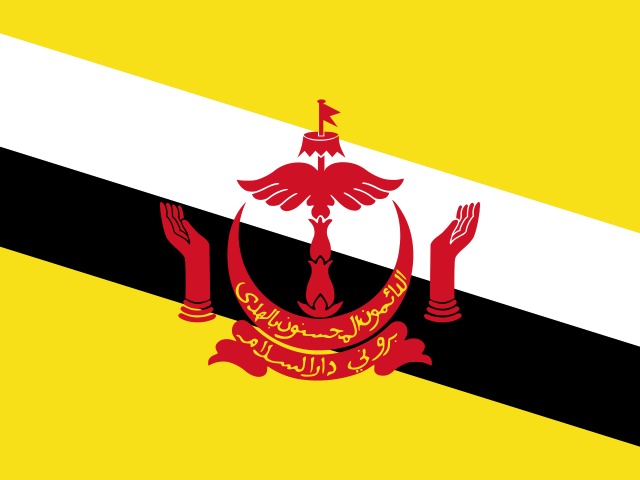
Brunei
Bruneian television interests combine Malay-language domestic programmes with English and wider regional viewing.
Read the Brunei guide
Bolivia
Bolivian television combines Spanish-language programmes with indigenous-language and regional viewing interests. Domestic service names provide useful context.
Read the Bolivia guide
Caribbean Netherlands
The Caribbean Netherlands combines island communities with their own local viewing routines. Domestic services and Dutch-language interests can sit beside wider Caribbean programming.
Read the Caribbean Netherlands guide
Brazil
Brazilian television has a large Portuguese-language entertainment, news and sporting audience. Domestic drama and variety programmes have their own names and daily routines.
Read the Brazil guide
Bahamas
Bahamian television has a local news and cultural identity alongside a wide interest in North American and Caribbean programming.
Read the Bahamas guide
Bhutan
Bhutanese television sits within a smaller national viewing landscape with its own language and cultural identity. Domestic programmes should not be lost inside a broad South Asia heading.
Read the Bhutan guide
Bouvet Island
Bouvet Island is an uninhabited territory; its flag entry links to the broader country directory.
Open the country directory
Botswana
Television in Botswana can combine Setswana- and English-language programmes with regional and international viewing. A local broadcaster name adds useful context.
Read the Botswana guide
Belarus
Belarusian television interests can include Belarusian- and Russian-language domestic programmes alongside wider regional viewing.
Read the Belarus guide
Belize
Belizean television interests can include English, Spanish and local Creole programmes, with wider Caribbean and Central American viewing alongside domestic services.
Read the Belize guideCanada
Canada’s television landscape has two important language identities: English-language services and French-language services. CBC and Radio-Canada belong in that conversation as distinct programme brands, alongside local stations and national networks.
Read the Canada guide
Cocos (Keeling) Islands
Cocos (Keeling) Islands television interests can include local community programmes, Australian services and wider regional viewing.
Read the Cocos (Keeling) Islands guide
Congo - Kinshasa
Television in DR Congo serves French-language and several local-language audiences across a very large country. The city and language edition can both matter to the viewing routine.
Read the Congo - Kinshasa guide
Central African Republic
Television interests in the Central African Republic can include Sango- and French-language programmes with domestic news and cultural identities.
Read the Central African Republic guide
Congo - Brazzaville
Congolese television includes French-language news and entertainment alongside local-language interests. The Republic of the Congo and DR Congo should remain separate country identities in a guide.
Read the Congo - Brazzaville guide
Switzerland
Switzerland’s television landscape reflects its language regions. SRF, RTS, RSI and RTR point toward different audiences and programme traditions, rather than four interchangeable versions of one channel.
Read the Switzerland guide
Côte d’Ivoire
Ivorian television combines French-language programmes with domestic culture, music and entertainment. The local broadcaster identity helps distinguish the schedule from other Francophone services.
Read the Côte d’Ivoire guide
Cook Islands
Cook Islands television interests connect local news and cultural programmes with English-language and wider Pacific viewing.
Read the Cook Islands guide
Chile
Chilean television brings domestic Spanish-language news and entertainment together with a wider international viewing culture. National and local programme identities remain useful.
Read the Chile guide
Cameroon
Cameroonian television serves French- and English-language audiences as well as local-language communities. A country label can therefore cover several different viewing preferences.
Read the Cameroon guide
China
Chinese-language television spans several language editions, national services and regional programmes. A Mandarin-language channel and a regional service can have very different programme identities.
Read the China guide
Colombia
Colombian television has a strong identity in Spanish-language news, drama and entertainment. Domestic programme names often travel well beyond the country.
Read the Colombia guide
Costa Rica
Costa Rican television combines domestic news, entertainment, culture and sport with wider Spanish-language viewing.
Read the Costa Rica guide
Cuba
Cuban television interests include Spanish-language domestic programmes, news, culture and entertainment, alongside viewing followed by overseas households.
Read the Cuba guide
Cape Verde
Cabo Verde’s television interests can connect Portuguese and Cape Verdean Creole programmes with an audience across several islands and overseas households.
Read the Cape Verde guide
Curaçao
Curaçao’s television interests reflect Papiamento and several other languages, with domestic news and culture beside wider Caribbean programmes.
Read the Curaçao guide
Christmas Island
Christmas Island’s television interests can connect local island communities with Australian and regional programming.
Read the Christmas Island guide
Cyprus
Television in Cyprus reflects several language communities and viewing interests. The preferred language and broadcaster are important details within a country-level guide.
Read the Cyprus guide
Czechia
Czech television includes public-service programmes, national news, entertainment and specialist channels. Czech-language titles help separate domestic programmes from similarly named international releases.
Read the Czechia guide
Germany
German television ranges from national news and public-service programmes to regional services and commercial entertainment. Das Erste and ZDF are useful starting points for understanding the national schedule; ARD’s regional broadcasters add a local layer.
Read the Germany guide
Djibouti
Djiboutian television serves several language interests, including Somali, Afar, Arabic and French. The preferred language is an important part of the programme choice.
Read the Djibouti guide
Denmark
Danish television includes public-service news and culture, commercial entertainment and a strong appetite for home-produced drama. A Danish title and channel name can be more useful than an English programme translation.
Read the Denmark guide
Dominica
Dominican television in the Commonwealth of Dominica has a distinct island identity, separate from the Spanish-language Dominican Republic market.
Read the Dominica guide
Dominican Republic
Dominican television has a recognisable Spanish-language news, music and entertainment identity within the wider Caribbean viewing landscape.
Read the Dominican Republic guide
Algeria
Algerian television serves Arabic- and Amazigh-language audiences, with French-language viewing also relevant to many households. Domestic channel names help keep those choices clear.
Read the Algeria guide
Ecuador
Ecuadorian television brings domestic Spanish-language programmes together with regional and international viewing. Mainland and island locations also matter to the household’s clock.
Read the Ecuador guide
Estonia
Estonian television offers domestic news, culture and entertainment alongside international programming. Language choice is especially useful when several regional services appear in one guide.
Read the Estonia guide
Egypt
Egyptian television has a substantial Arabic-language news, film, drama and entertainment identity. Domestic programme names are useful even when the same production is discussed across several countries.
Read the Egypt guide
Western Sahara
Western Sahara is listed here as a geographic territory entry, without a statement about sovereignty. Television interests can include Arabic- and Spanish-language regional information.
Read the Western Sahara guide
Eritrea
Eritrean television interests include Tigrinya-, Arabic- and other language programmes with a domestic cultural identity.
Read the Eritrea guide
Spain
Spanish television includes nationwide services alongside strong regional and language identities. RTVE’s national channels are one part of a wider landscape that also includes Catalan, Basque and Galician broadcasting.
Read the Spain guide
Ethiopia
Ethiopian television is multilingual, with Amharic, Oromo, Tigrinya and other language interests shaping the household’s viewing choices. Domestic programmes deserve more than a single regional label.
Read the Ethiopia guide
Finland
Finnish television serves Finnish- and Swedish-language audiences, with public-service and commercial schedules offering different programme identities. Language is an important part of the viewing choice.
Read the Finland guide
Fiji
Fijian television serves a multilingual audience, with English, iTaukei and Hindi viewing interests among the household’s choices.
Read the Fiji guide
Falkland Islands
Falkland Islands television interests combine local programme context with British and international viewing.
Read the Falkland Islands guide
Micronesia
Micronesia’s island groups do not all share one civil-time location. Television interests can connect local programmes with English-language and wider Pacific viewing.
Read the Micronesia guide
Faroe Islands
Faroese television interests combine a clear local language and cultural identity with Danish and wider Nordic viewing.
Read the Faroe Islands guide
France
French television combines national channels, regional programmes, films and a substantial documentary tradition. France Télévisions illustrates the difference between a national service and the regional identity of France 3.
Read the France guide
Gabon
Gabonese television combines French-language news and entertainment with domestic cultural programmes. A local broadcaster name helps identify the service within a wider Francophone list.
Read the Gabon guideUnited Kingdom
British television brings together public-service broadcasting, commercial channels, specialist sport and a strong catch-up habit. BBC, ITV, Channel 4 and 5 are familiar names, but the channel, regional edition and viewing app are not always the same thing.
Read the UK guide
Grenada
Grenadian television interests combine domestic news, culture and entertainment with regional Caribbean programmes and international viewing.
Read the Grenada guide
Georgia
Georgian television has a distinctive language and script, with domestic news and entertainment that may be difficult to find through an English-only title search.
Read the Georgia guide
French Guiana
French Guiana’s television interests connect a French overseas territory with a South American viewing day. Local and metropolitan French programmes do not necessarily share the same local clock.
Read the French Guiana guide
Guernsey
Guernsey’s viewing interests combine local Channel Islands programmes with national British and international television.
Read the Guernsey guide
Ghana
Ghanaian television combines English-language programmes with Twi, Ga, Ewe and other local-language viewing interests. Domestic news and entertainment can have a distinct local routine.
Read the Ghana guide
Gibraltar
Gibraltar’s television audience can combine local English-language programmes with British, Spanish and international viewing interests.
Read the Gibraltar guide
Greenland
Greenland’s television interests can include Greenlandic- and Danish-language programmes, with local news and culture retaining a distinct identity.
Read the Greenland guide
Gambia
Gambian television combines English-language and local-language news, culture and entertainment. The domestic broadcaster identity provides useful programme context.
Read the Gambia guide
Guinea
Guinean television interests include French and several local languages, with domestic news and cultural programmes serving different audiences.
Read the Guinea guide
Guadeloupe
Guadeloupe’s television connects a French Caribbean audience with local news, culture and metropolitan French programmes.
Read the Guadeloupe guide
Equatorial Guinea
Television in Equatorial Guinea can include Spanish-language programmes and domestic cultural interests alongside wider regional viewing.
Read the Equatorial Guinea guide
Greece
Greek television combines national news, domestic drama, entertainment and sporting coverage. Greek programme names and the broadcaster identity often provide a clearer search than a translated genre label.
Read the Greece guide
South Georgia & South Sandwich Islands
South Georgia and the South Sandwich Islands are a remote territory; this entry provides geographic context.
Open the country directory
Guatemala
Guatemalan television includes Spanish-language programmes alongside indigenous-language and regional interests. Domestic news and entertainment retain their own channel identities.
Read the Guatemala guide
Guam
Guamanian television interests can combine local Pacific programmes with US network and international viewing. Local service identities remain useful beside larger brands.
Read the Guam guide
Guinea-Bissau
Television interests in Guinea-Bissau can include Portuguese and local Creole-language programmes. Domestic service names help retain the local identity within a broader regional list.
Read the Guinea-Bissau guide
Guyana
Guyanese television interests can combine English-language programmes with domestic news, culture and wider Caribbean viewing.
Read the Guyana guide
Hong Kong SAR China
Hong Kong television includes Cantonese-language programmes, news and entertainment alongside Mandarin- and English-language viewing. The language edition is central to the choice.
Read the Hong Kong SAR China guide
Heard Island & McDonald Islands
Heard Island and McDonald Islands are uninhabited; no dedicated consumer television offer is described here.
Open the country directory
Honduras
Honduran television combines domestic Spanish-language news, entertainment and sport with wider regional viewing interests.
Read the Honduras guide
Croatia
Croatian television includes national public-service programmes, domestic entertainment and regional news. Croatian-language viewing can sit beside other familiar South Slavic services without being identical to them.
Read the Croatia guide
Haiti
Haitian television interests can include Haitian Creole- and French-language programmes with a domestic news and cultural identity.
Read the Haiti guide
Hungary
Hungarian-language television has a distinctive mix of news, drama, entertainment and sport. Original channel and programme names are particularly useful when an English guide translation is incomplete.
Read the Hungary guide
Indonesia
Indonesian television combines national entertainment and news with a diverse regional audience. Domestic programme names help distinguish the service from an international channel carrying dubbed material.
Read the Indonesia guide
Ireland
Irish television has its own national news, entertainment and sporting traditions. English-language viewing sits alongside Irish-language programming, and a UK television guide does not replace the Irish schedule.
Read the Ireland guide
Israel
Television in Israel serves several language communities, including Hebrew- and Arabic-language audiences. Domestic service names help distinguish national programmes from international material.
Read the Israel guide
Isle of Man
The Isle of Man’s television interests combine local news and programme context with a wider British viewing routine.
Read the Isle of Man guide
India
Indian television is multilingual and strongly regional. Hindi-language entertainment is only one part of a much wider landscape that includes Tamil, Telugu, Bengali, Marathi, Malayalam and other viewing communities.
Read the India guide
British Indian Ocean Territory
The British Indian Ocean Territory is a specialised territory entry rather than a conventional consumer television market.
Read the British Indian Ocean Territory guide
Iraq
Iraqi television serves Arabic- and Kurdish-language audiences alongside other language interests. News and entertainment choices can therefore vary substantially within a country-level list.
Read the Iraq guide
Iran
Iranian television interests can include Persian-language news, drama and entertainment as well as other language communities. Domestic and overseas Persian-language services have different identities.
Read the Iran guide
Iceland
Icelandic television combines a small national market with a wide interest in international entertainment and sport. Icelandic programme and channel names give domestic viewing a clear identity.
Read the Iceland guide
Italy
Italian television offers general entertainment, public-service news, cinema and sport through a wide range of channel identities. Rai 1, Rai 2 and Rai 3 are individual channels rather than interchangeable labels for the same programme stream.
Read the Italy guide
Jersey
Jersey’s television interests include local Channel Islands news and a wider British viewing routine. Regional programme identity remains useful beside national network brands.
Read the Jersey guide
Jamaica
Jamaican television combines English-language domestic news, entertainment, culture and sport with wider Caribbean viewing.
Read the Jamaica guide
Jordan
Jordanian television combines domestic news and entertainment with a wider Arabic-speaking audience. Local broadcaster names help distinguish the service from a general regional category.
Read the Jordan guide
Japan
Japanese television combines domestic drama, news, entertainment, animation and sport. Original Japanese titles can make a search much clearer than a translated programme name.
Read the Japan guide
Kenya
Kenyan television brings English- and Swahili-language news and entertainment together with regional-language programming. A household can have several different programme routines.
Read the Kenya guide
Kyrgyzstan
Kyrgyz television can include Kyrgyz- and Russian-language viewing alongside international entertainment. A household’s language preference is an important part of its channel list.
Read the Kyrgyzstan guide
Cambodia
Khmer-language television has a distinct place in Cambodia’s news and entertainment. Domestic programme names help separate local viewing from imported material.
Read the Cambodia guide
Kiribati
Kiribati stretches across Pacific island groups with more than one civil-time location. Local programme timing needs more context than the country name alone.
Read the Kiribati guide
Comoros
Comorian television interests can include Comorian, Arabic and French programmes alongside wider Indian Ocean and international viewing.
Read the Comoros guide
St. Kitts & Nevis
Television interests in St Kitts and Nevis can connect local news and island culture with wider Caribbean and international programmes.
Read the St. Kitts & Nevis guide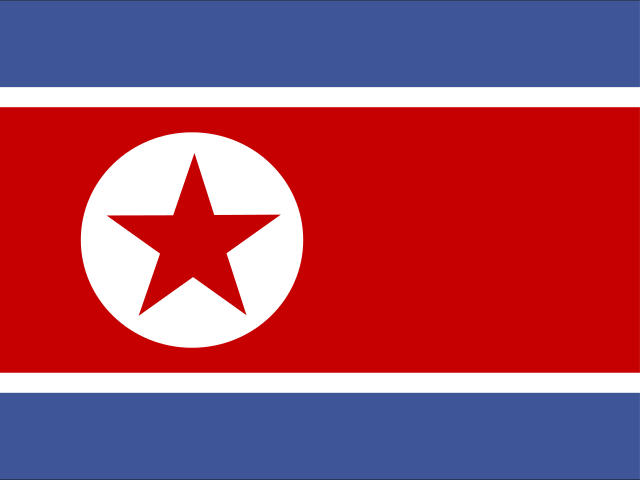
North Korea
Television information for North Korea is a specialised subject with a limited domestic broadcasting context. A country-code listing does not establish access to a service.
Read the North Korea guide
South Korea
Korean television has a strong domestic news and entertainment identity alongside an international audience for its drama and variety programmes. Channel and programme names remain useful distinctions.
Read the South Korea guide
Kuwait
Kuwaiti television has a recognisable place in Arabic-language drama, entertainment and national news. Domestic programme names help distinguish that tradition from wider regional services.
Read the Kuwait guide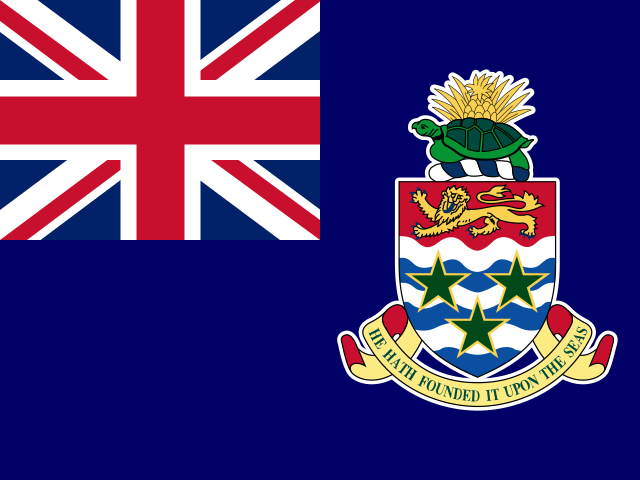
Cayman Islands
Cayman Islands television interests can combine local news with North American, Caribbean and international programmes.
Read the Cayman Islands guide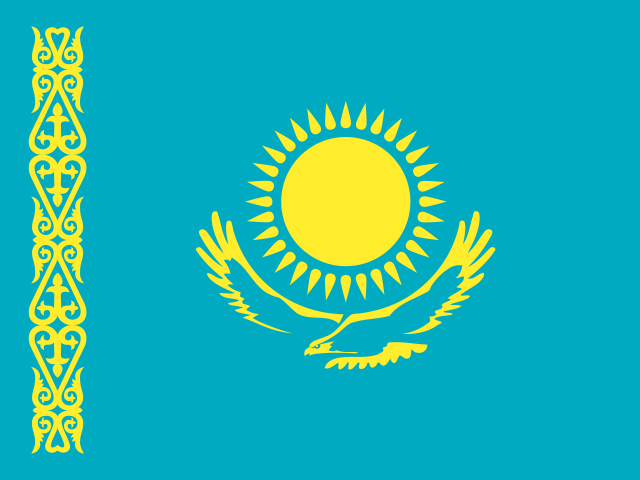
Kazakhstan
Kazakh- and Russian-language viewing can both be relevant to television in Kazakhstan. Domestic news and entertainment deserve their own identities beside services from neighbouring markets.
Read the Kazakhstan guide
Laos
Lao-language television connects national news, culture and entertainment with an audience that may also watch neighbouring regional services. Those service identities remain distinct.
Read the Laos guide
Lebanon
Lebanese television has a strong identity in news, entertainment and Arabic-language programmes, with French and English also relevant to parts of the audience.
Read the Lebanon guide
St. Lucia
St Lucian television interests can include English- and Creole-language programmes alongside regional Caribbean viewing.
Read the St. Lucia guide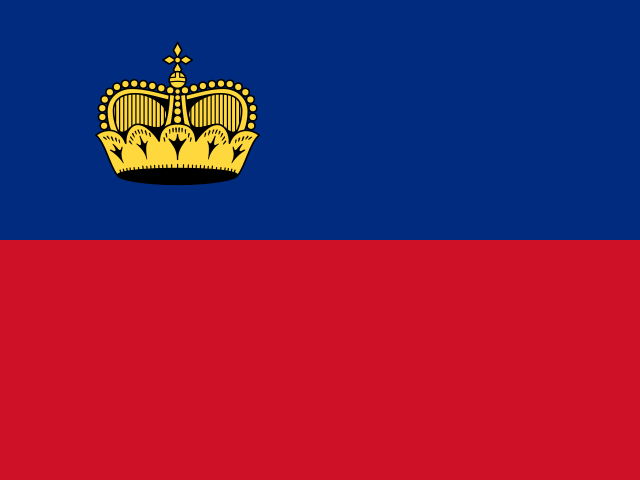
Liechtenstein
Liechtenstein’s television interests can combine domestic information with a wider German-language viewing landscape.
Read the Liechtenstein guide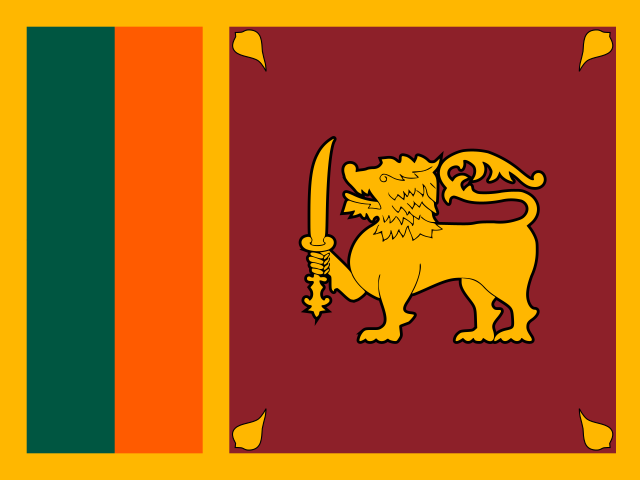
Sri Lanka
Sri Lankan television includes Sinhala- and Tamil-language audiences alongside English-language interests. Language is an important part of choosing news, drama and entertainment.
Read the Sri Lanka guide
Liberia
Liberian television includes English-language news and entertainment as well as domestic cultural programmes. A local service name helps distinguish that schedule from international material.
Read the Liberia guide
Lesotho
Television in Lesotho can combine Sesotho- and English-language programmes with wider southern African viewing. A domestic service name provides important local context.
Read the Lesotho guide
Lithuania
Lithuanian television has its own national news, home-produced entertainment and sporting interests. Domestic channel names help preserve that local identity in an international guide.
Read the Lithuania guide
Luxembourg
Luxembourg’s television audience can move between Luxembourgish, French and German programming. Language and broadcaster identity are often more useful than a single country-wide category.
Read the Luxembourg guide
Latvia
Latvian television combines local-language programmes, national news and entertainment from wider markets. A channel’s language edition is more informative than a broad Baltic label.
Read the Latvia guide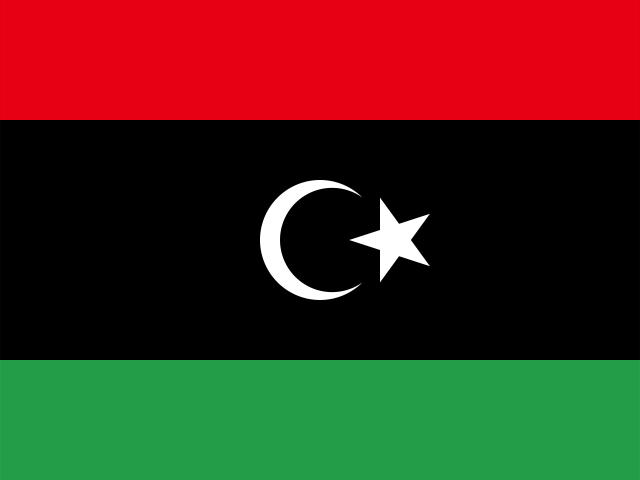
Libya
Libyan television interests include domestic Arabic-language news and programmes alongside wider regional entertainment. A local service name provides useful context.
Read the Libya guide
Morocco
Moroccan television combines Arabic- and Amazigh-language programmes with French-language interests and a wider international audience. Language choice deserves a visible place in the favourites list.
Read the Morocco guide
Monaco
Monaco’s television interests connect local programme identities with a broader French-language and Mediterranean viewing culture.
Read the Monaco guide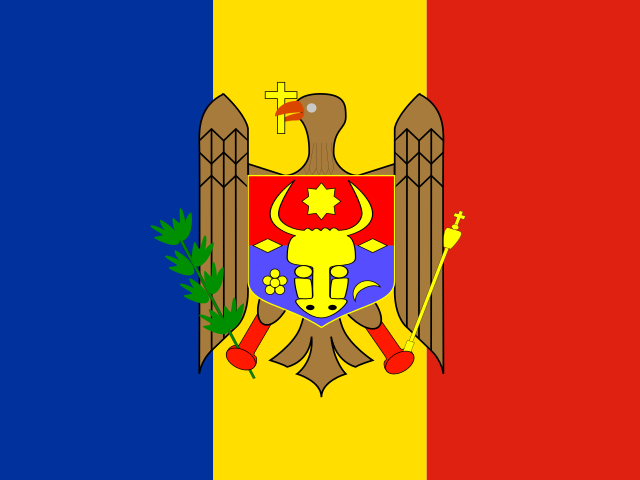
Moldova
Moldovan television brings domestic news and entertainment together with Romanian-language and other language viewing. A service name is a useful way to distinguish neighbouring schedules.
Read the Moldova guide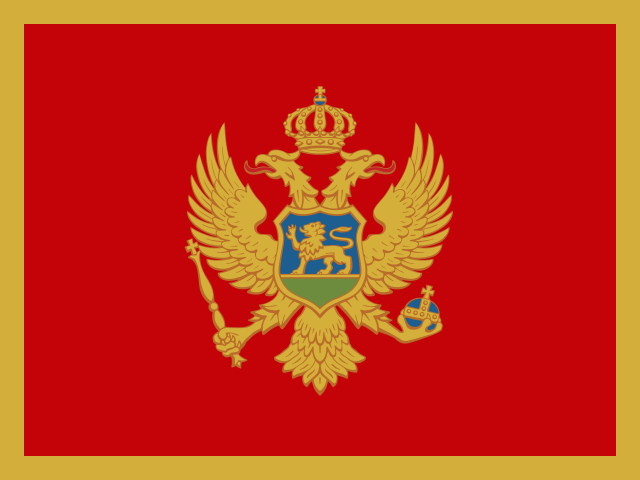
Montenegro
Montenegrin television combines domestic news and programmes with a wider regional viewing culture. The local broadcaster remains an important clue when similar language editions appear together.
Read the Montenegro guide
St. Martin
Saint Martin’s television interests connect a French Caribbean community with local programmes and wider French-language viewing.
Read the St. Martin guide
Madagascar
Malagasy- and French-language programmes both have a place in Madagascar’s television interests, alongside domestic culture and international entertainment.
Read the Madagascar guide
Marshall Islands
Marshall Islands television interests can include Marshallese- and English-language programmes alongside wider Pacific and international viewing.
Read the Marshall Islands guide
North Macedonia
North Macedonian television includes Macedonian-language programming and other language communities. Domestic channel identities are useful distinctions within a wider Balkan viewing list.
Read the North Macedonia guide
Mali
Malian television interests include French and several local languages, with domestic news and culture retaining their own programme identities.
Read the Mali guide
Myanmar (Burma)
Television interests in Myanmar can include Burmese-language programmes and other language communities, with domestic and international services serving different needs.
Read the Myanmar (Burma) guide
Mongolia
Mongolian television offers domestic news, entertainment and cultural programmes alongside international material. Original channel names provide useful context in a broad guide.
Read the Mongolia guide
Macao SAR China
Macao’s viewing interests can combine Chinese- and Portuguese-language programmes with entertainment from neighbouring markets. A language-first favourites list helps keep those choices clear.
Read the Macao SAR China guide
Northern Mariana Islands
The Northern Mariana Islands’ television interests connect local Pacific communities with US and international programming.
Read the Northern Mariana Islands guide
Martinique
Martinican television interests include local news and culture alongside French-language national services. The Caribbean viewing day gives those schedules a different local rhythm.
Read the Martinique guide
Mauritania
Mauritanian television interests can include Arabic, French and several local languages, with domestic news and culture retaining their own programme identities.
Read the Mauritania guide
Montserrat
Montserrat’s television interests can include local news and culture alongside wider Caribbean and British-linked viewing.
Read the Montserrat guide
Malta
Maltese and English both have a place in Malta’s viewing habits. Domestic news and entertainment sit alongside programming from larger international markets.
Read the Malta guide
Mauritius
Mauritian television reflects a multilingual island audience, with English, French, Creole and South Asian language interests relevant to different households.
Read the Mauritius guide
Maldives
Television in the Maldives can combine Dhivehi-language domestic programmes with a broad range of international viewing interests. A local channel identity is useful beside imported entertainment.
Read the Maldives guide
Malawi
Malawian television combines English-, Chichewa- and other local-language viewing interests. Domestic news and entertainment retain their own broadcaster identities.
Read the Malawi guide
Mexico
Mexican television has a large Spanish-language news, drama and entertainment audience, with strong regional identities and a substantial international following.
Read the Mexico guide
Malaysia
Malaysian television serves several language communities, including Malay, English, Mandarin and Tamil viewing interests. Local programmes and imported entertainment can sit beside one another in the same household.
Read the Malaysia guide
Mozambique
Mozambican television includes Portuguese-language and local-language programmes alongside regional entertainment. Domestic service names help distinguish the local schedule.
Read the Mozambique guide
Namibia
Namibian television serves several language communities, with English and other local-language programmes sharing space with regional viewing. A household’s preferred language matters.
Read the Namibia guide
New Caledonia
New Caledonian television interests combine local programmes and cultural identities with French-language and wider Pacific viewing.
Read the New Caledonia guide
Niger
Nigerien television serves Hausa-, Zarma- and other language audiences alongside French-language interests. A household’s programme choices can be more specific than one country category.
Read the Niger guide
Norfolk Island
Norfolk Island’s television interests can combine local information with Australian and wider Pacific programming.
Read the Norfolk Island guide
Nigeria
Nigerian television is multilingual and varied. English-language news and entertainment sit beside Hausa, Yoruba, Igbo and other language audiences, with local productions occupying an important place.
Read the Nigeria guide
Nicaragua
Nicaraguan television has domestic Spanish-language news and entertainment identities within a wider Central American viewing culture.
Read the Nicaragua guide
Netherlands
Dutch television has a distinctive relationship between programme makers and the channels that carry their work. A broadcaster name in a programme credit may identify an organisation rather than a separate channel in the guide.
Read the Netherlands guide
Norway
Norwegian television brings national services together with regional news, documentaries and live sport. Norwegian-language programming has its own channel identities beside imported entertainment.
Read the Norway guide
Nepal
Nepali-language television offers domestic news, entertainment and programmes followed by households at home and abroad. Original titles help retain the local programme identity.
Read the Nepal guide
Nauru
Nauruan television interests can combine domestic information and cultural programmes with English-language and wider Pacific viewing.
Read the Nauru guide
Niue
Niuean television interests can include local-language programmes and English-language viewing within a wider Pacific context.
Read the Niue guide
New Zealand
New Zealand television includes public-service programmes, commercial entertainment and Māori-language viewing. Its location makes many northern-hemisphere sporting evenings a different calendar day at home.
Read the New Zealand guide
Oman
Omani television has its own domestic news and cultural identity beside wider Arabic-language entertainment. Channel names help preserve that distinction in an international guide.
Read the Oman guide
Panama
Panamanian television brings domestic Spanish-language news and entertainment together with regional and international programmes.
Read the Panama guide
Peru
Peruvian television includes Spanish-language news and entertainment alongside indigenous-language and regional interests. A domestic broadcaster identity helps preserve the local schedule.
Read the Peru guide
French Polynesia
French Polynesian television connects local languages and cultural programmes with French-language services across a very wide Pacific territory.
Read the French Polynesia guide
Papua New Guinea
Papua New Guinean television interests can include English- and Tok Pisin-language programmes with domestic news, culture and regional viewing.
Read the Papua New Guinea guide
Philippines
Philippine television brings Filipino- and English-language news and entertainment together with regional-language programmes. Domestic drama, variety and sport can serve very different viewing routines.
Read the Philippines guide
Pakistan
Pakistani television brings Urdu news and drama together with regional-language programmes and a strong sporting audience. Domestic channel names help a household find its regular news bulletin or returning series.
Read the Pakistan guide
Poland
Polish television spans national news, home-produced entertainment, film and sport. Polish-language channel names help distinguish the domestic schedule from a dubbed or subtitled programme on an international service.
Read the Poland guide
St. Pierre & Miquelon
St Pierre and Miquelon’s television interests combine local French-language programmes with a North Atlantic viewing day.
Read the St. Pierre & Miquelon guide
Pitcairn Islands
Pitcairn Islands television interests involve a small remote community and international viewing rather than a large domestic channel market.
Read the Pitcairn Islands guide
Puerto Rico
Puerto Rican television combines Spanish-language domestic programmes with US and wider Caribbean viewing interests. A local station identity can be as important as a national network brand.
Read the Puerto Rico guide
Palestinian Territories
Palestinian television interests include Arabic-language news, domestic programmes and wider regional viewing. The broadcaster’s identity gives more context than a broad Arabic-language heading.
Read the Palestinian Territories guide
Portugal
Portuguese television includes mainland broadcasting as well as regional identities in the Azores and Madeira. Those island services have a different local role from a national channel.
Read the Portugal guide
Palau
Palauan television interests can include local-language programmes alongside English and wider Pacific viewing.
Read the Palau guide
Paraguay
Paraguayan television serves Spanish- and Guaraní-language interests alongside domestic news, entertainment and sport. Language is an important part of the viewing choice.
Read the Paraguay guide
Qatar
Qatar’s television audience can combine Arabic-language domestic programmes with English-language news and international sport. A multilingual household may follow several different daily schedules.
Read the Qatar guide
Réunion
Réunion’s television landscape connects a French overseas department with an Indian Ocean viewing day. Local programmes and metropolitan French services can therefore follow different clocks.
Read the Réunion guide
Romania
Romanian television combines domestic news and entertainment with films, documentaries and sport. Romanian-language services can also interest households outside the country who follow programmes from home.
Read the Romania guide
Serbia
Serbian television includes national news, entertainment and sport, with both Cyrillic and Latin spellings appearing in everyday use. A consistent favourites label can help bridge those spellings.
Read the Serbia guide
Russia
Russian-language television covers a very large geographic area and several different daily programme routines. A city or regional edition is useful context alongside a channel name.
Read the Russia guide
Rwanda
Rwandan television interests can include Kinyarwanda, English and French programming. Language is an important part of the daily news and entertainment choice.
Read the Rwanda guide
Saudi Arabia
Saudi television combines Arabic-language news, entertainment and cultural programmes with an interest in regional and international sport. Domestic broadcaster identities remain useful distinctions.
Read the Saudi Arabia guide
Solomon Islands
Solomon Islands television interests connect domestic news and culture with English-language and wider Pacific viewing.
Read the Solomon Islands guide
Seychelles
Seychellois television interests can include Creole-, English- and French-language programmes alongside international entertainment.
Read the Seychelles guide
Sudan
Sudanese television interests include Arabic-language domestic programmes and other language communities. Local broadcaster identities matter alongside wider regional news and entertainment.
Read the Sudan guide
Sweden
Swedish television balances national news, entertainment, children’s programmes and an established public-service tradition. SVT’s scheduled channels and its viewing app are related but different ways of finding a programme.
Read the Sweden guide
Singapore
Singapore’s television audience is multilingual. English, Mandarin, Malay and Tamil can all be relevant to a household’s news and entertainment choices.
Read the Singapore guide
St. Helena, Ascension & Tristan da Cunha
St Helena, Ascension and Tristan da Cunha are grouped in the country-code roster, but the islands have distinct local contexts.
Read the St. Helena, Ascension & Tristan da Cunha guide
Slovenia
Slovenian television serves a smaller national market with a clear language and public-service identity. Domestic news and programmes deserve their own place beside larger international services.
Read the Slovenia guide
Svalbard & Jan Mayen
Svalbard and Jan Mayen are grouped in the country-code roster, while inhabited Svalbard has a Norwegian viewing context. The territory label is not a separate television subscription.
Read the Svalbard & Jan Mayen guide
Slovakia
Slovak television has its own national news and entertainment identity alongside familiar Czech-language programming. A shared regional history does not make the two schedules interchangeable.
Read the Slovakia guide
Sierra Leone
Sierra Leonean television interests can include English-, Krio- and other local-language programmes alongside international viewing.
Read the Sierra Leone guide
San Marino
San Marino’s television interests combine a domestic public-service identity with wider Italian-language programming.
Read the San Marino guide
Senegal
Senegalese television can include Wolof- and French-language news, entertainment and cultural programmes. Language gives a useful starting point for the household’s favourites.
Read the Senegal guide
Somalia
Somali-language television connects domestic news and programmes with households across a wide overseas community. Original service names help distinguish several different broadcasters.
Read the Somalia guide
Suriname
Surinamese television reflects a multilingual audience with Dutch and other language interests. Domestic programmes have their own service identities beside wider regional viewing.
Read the Suriname guide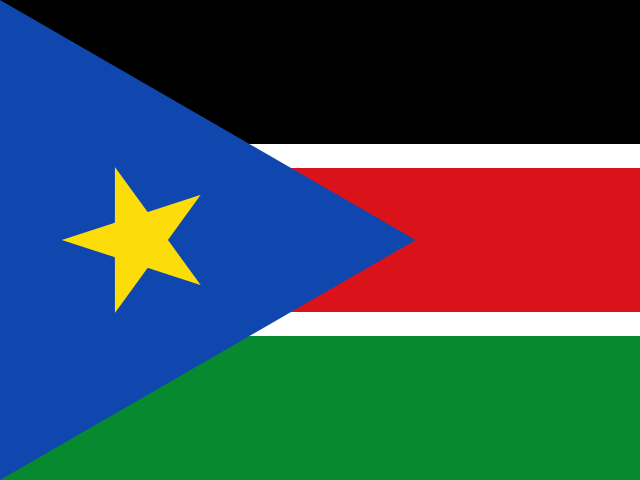
South Sudan
South Sudanese television interests can include English and several local languages, with domestic news and programmes serving different communities.
Read the South Sudan guide
São Tomé & Príncipe
Television in São Tomé and Príncipe combines Portuguese-language viewing with domestic news and cultural interests. The local broadcaster identity deserves its own place.
Read the São Tomé & Príncipe guide
El Salvador
Salvadoran television includes domestic Spanish-language news, entertainment and sport, with an audience at home and among overseas households.
Read the El Salvador guide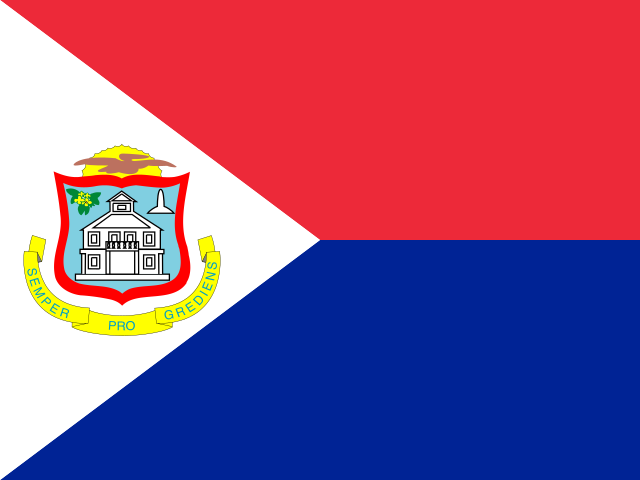
Sint Maarten
Sint Maarten’s television interests can combine local English-language programmes with Dutch Caribbean and wider international viewing.
Read the Sint Maarten guide
Syria
Syrian television programmes sit within a wider Arabic-language viewing culture, with domestic news, drama and entertainment retaining distinct broadcaster identities.
Read the Syria guide
Eswatini
Television interests in Eswatini can include siSwati and English programming, with domestic culture and news beside regional entertainment.
Read the Eswatini guide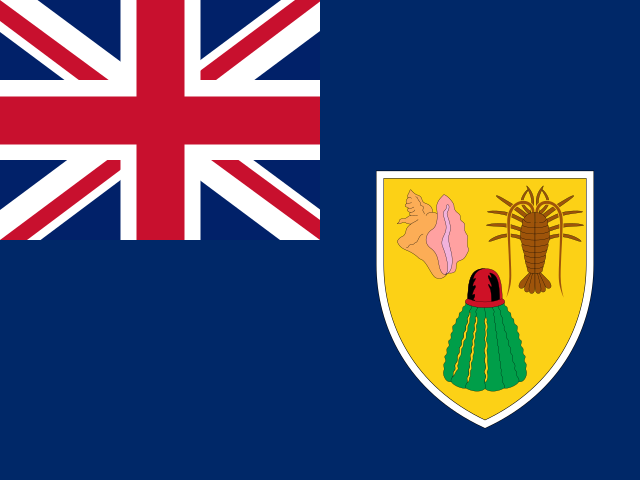
Turks & Caicos Islands
Television interests in the Turks and Caicos Islands bring local programmes together with Caribbean, North American and wider international viewing.
Read the Turks & Caicos Islands guide
Chad
Chadian television interests can include Arabic-, French- and other local-language programmes. Language and broadcaster identity add important context to a country-level list.
Read the Chad guide
French Southern and Antarctic Lands
The French Southern Territories are remote research and territorial locations rather than a conventional household TV market.
Open the country directory
Togo
Togolese television combines French-language programmes with local-language and cultural interests. Domestic broadcaster names provide useful context within a regional guide.
Read the Togo guide
Thailand
Thai television offers domestic drama, variety, news and sport with a clear language identity. A Thai programme title can be more precise than an English translation.
Read the Thailand guide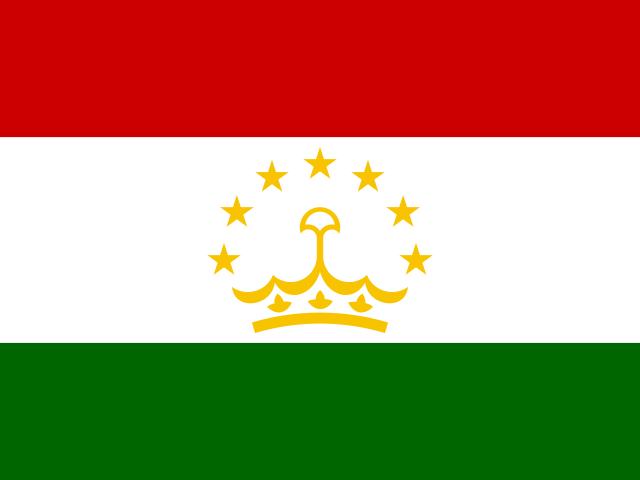
Tajikistan
Tajik-language television has its own news and cultural identity within a wider Central Asian viewing landscape. Original service names make that distinction easier to retain.
Read the Tajikistan guide
Tokelau
Tokelauan television interests connect small island communities with local-language, English-language and wider Pacific programmes.
Read the Tokelau guide
Timor-Leste
Timor-Leste’s television interests can include Tetum- and Portuguese-language programmes alongside regional viewing.
Read the Timor-Leste guide
Turkmenistan
Turkmen-language television serves domestic news, cultural programmes and entertainment. A country-specific list helps keep those services separate from broader regional viewing.
Read the Turkmenistan guide
Tunisia
Tunisian television combines domestic Arabic-language news and entertainment with a wider Mediterranean viewing culture. French-language programmes can also be relevant to the household.
Read the Tunisia guide
Tonga
Tongan television interests include domestic language and cultural programmes alongside regional and international viewing.
Read the Tonga guide
Türkiye
Turkish television is known for its domestic drama, national news and entertainment. Original Turkish titles can be particularly helpful when a series is discussed abroad under another name.
Read the Türkiye guide
Trinidad & Tobago
Television in Trinidad and Tobago serves a diverse audience, with domestic news, culture and entertainment alongside wider Caribbean and international programmes.
Read the Trinidad & Tobago guide
Tuvalu
Tuvaluan television interests connect island language and culture with English-language and wider Pacific programmes.
Read the Tuvalu guide
Taiwan
Taiwanese television includes Mandarin-language services, local-language programming and a wide range of news and entertainment. A language edition gives more information than a general Chinese-language label.
Read the Taiwan guide
Tanzania
Tanzanian television has a strong Swahili-language identity alongside English-language and other viewing interests. Domestic programmes are easier to recognise through their original service names.
Read the Tanzania guide
Ukraine
Ukrainian-language news, culture and entertainment are distinct viewing interests within an international guide. Use the broadcaster’s current information when following a domestic programme.
Read the Ukraine guide
Uganda
Ugandan television serves English-language and several local-language audiences. The language edition and broadcaster identity can be more informative than a country heading alone.
Read the Uganda guide
U.S. Outlying Islands
The US Outlying Islands code groups several remote islands rather than one local television market.
Open the country directoryUnited States
American television is local as well as national. Network programmes sit beside station news, regional sport and a viewing day that moves from the Atlantic to the Pacific.
Read the USA guide
Uruguay
Uruguayan television combines domestic news, entertainment and sport with a wider Río de la Plata viewing culture. The local broadcaster identity still matters.
Read the Uruguay guide
Uzbekistan
Uzbek television combines domestic news, culture and entertainment with viewing interests across neighbouring markets. Uzbek-language programme names help preserve that local identity.
Read the Uzbekistan guide
Vatican City
Vatican-related television interests often focus on public events, religious programmes and multilingual coverage. A programme’s language edition can be as important as its channel name.
Read the Vatican City guide
St. Vincent & Grenadines
Television in St Vincent and the Grenadines can combine national news and island culture with wider Caribbean entertainment and sport.
Read the St. Vincent & Grenadines guide
Venezuela
Venezuelan television combines domestic Spanish-language news and entertainment with a wider Latin American audience. The local service name is useful within that larger landscape.
Read the Venezuela guide
British Virgin Islands
British Virgin Islands television interests can combine local news and island programmes with regional Caribbean and international viewing.
Read the British Virgin Islands guide
U.S. Virgin Islands
Television interests in the US Virgin Islands can combine local programmes with US network and wider Caribbean viewing. A local station identity adds useful context.
Read the U.S. Virgin Islands guide
Vietnam
Vietnamese television includes national and regional services, domestic entertainment and a wide news audience. Original programme and broadcaster names preserve that local identity.
Read the Vietnam guide
Vanuatu
Vanuatu’s television interests can include Bislama-, English- and French-language programmes. A multilingual household may follow several different services.
Read the Vanuatu guide
Wallis & Futuna
Wallis and Futuna’s television interests can include local-language programmes and French-language services within a Pacific viewing day.
Read the Wallis & Futuna guide
Samoa
Samoan television connects local-language news and culture with an overseas audience and wider Pacific programming.
Read the Samoa guide
Yemen
Yemeni television interests include Arabic-language domestic programmes and services followed by households abroad. A channel name helps identify which daily schedule is intended.
Read the Yemen guide
Mayotte
Mayotte’s television interests combine local language and cultural programmes with French-language services. Its Indian Ocean location gives metropolitan schedules a different local time.
Read the Mayotte guide
South Africa
South African television serves a multilingual audience with national, regional and specialist viewing interests. News, local drama and sport can each be followed in different languages.
Read the South Africa guide
Zambia
Zambian television combines English-language and local-language programmes with a wider southern African viewing audience. Domestic news and entertainment have their own service identities.
Read the Zambia guide
Zimbabwe
Zimbabwean television interests can include English-, Shona- and Ndebele-language programmes. Domestic service identities remain useful alongside regional entertainment.
Read the Zimbabwe guideUseful reading
Answers that get to the point.
Picture, sound, programme timing and account questions, explained without turning every problem into a reinstall.
Guide
Why the picture can sharpen after startup
Adaptive quality and the first seconds of playback.
Read the guideGuide
Explore all practical answers
Focused explanations for picture, audio, subtitles, networking and accounts.
Read the guideGuide
Read the setup journal
Device and player guides for the next step in your setup.
Read the guideUseful answers
Questions before you continue
What is 8K IPTV?
IPTV delivers television over an internet connection to a compatible player. On 8kpro.tv, 8K IPTV is the name used for the subscription plans, player guidance and reseller enquiries published on this website.
Is 8kpro.tv the official 8K IPTV website?
8kpro.tv is the website for the 8K IPTV plans and support contacts published here. Similar 8K names are used by other services and software. Use the domain, WhatsApp +44 7532 814802 and [email protected] together to identify this service; third-party broadcasters and app developers remain separate.
How much does an 8K IPTV subscription cost?
The full USD totals are $9.99 for one month, $24.99 for three months, $39.99 for six months and $54.99 for twelve months. The standard plan includes one customer connection.
Can I try 8K IPTV before choosing a plan?
Install a compatible player first, then request the one-day free trial through WhatsApp. Tell support which player and device you have installed so the account instructions match the screen in front of you.
Does the 8K name mean every programme is native 8K?
No. The name identifies the service brand. Picture resolution and quality depend on the programme source, its encoding, the player, the device and the display.
Which 8K IPTV player should I install?
Start with your device’s operating system. The player directory includes the provider-listed VIP+, Fast 8K, Prime and other entries; the device guide explains the installation family for your television, box, phone or computer.
Are VIP and VIP+ the same download?
No. The listed VIP code is 2057169 and the listed VIP+ code is 1388878. The installed name and the account option shown on its login screen should stay together.
What is the listed Fast 8K Player code?
The provider-listed Fast 8K Player entry uses Downloader code 1315630. Its server-selection screen includes several account routes, so use the route issued with your account rather than choosing by name alone.
Can I install an Android APK on a Samsung or LG TV?
A native Samsung Tizen or LG webOS television does not install an Android APK as its own app. Use a player available for that television’s operating system, or a compatible external device.
Can an iPhone use the same installer as an Android box?
No. iPhone software comes through the appropriate iOS app route; an Android APK is a different package. The same distinction applies to iPadOS and tvOS devices.
Do all Fire TV devices use the same Android installation route?
No. Amazon’s model list includes Fire OS and Vega OS devices. Identify the model and operating system before choosing an installer.
What does one connection mean?
It is the standard simultaneous viewing allowance for the customer account. Having the player installed on another screen does not itself add a second active stream.
Are the plan prices monthly instalments?
No. Each displayed total pays for the complete selected term. A monthly equivalent is a rounded comparison, not a promise of instalment billing.
How do reseller credits work?
In the published standard model, one credit represents one customer month. A three-month customer term therefore uses three standard credits; the issued panel displays the actual debit before the action is confirmed.
What are the reseller package totals?
Custom credit quantities require a confirmed quotation. The published packs are 120 credits for $222.00, 240 for $429.60 and 1,200 for $2,028.00 USD.
Does the biggest credit package guarantee more profit?
No. A lower credit rate and a larger upfront balance are different business decisions. Customer terms, support work and other operating costs still need to fit the business.
Does submitting an order make my account active?
Submitting the form creates a request for support to review. Payment confirmation and activation are separate steps; a request reference is not proof that payment has been received.
How do I renew an existing account?
Use the published private support route with the account reference and the term you want. Keep the new expiry and payment or activation confirmation with the original account details.
Is a third-party player licence included in the subscription?
A player developer can have its own licence or activation charge. Keep that software charge separate from the 8K IPTV service term, even when both are used on the same television.
Do platform logos include Netflix or Disney+ accounts?
No. Third-party streaming memberships and broadcaster accounts are separate products. The platform directory explains familiar viewing brands without turning an IPTV account into those memberships.
Why can a live guide show the wrong programme time?
The device clock, time zone, guide offset or channel mapping can each affect a listing. A uniform shift across many channels is a different symptom from one channel with missing guide data.
How do I find a sports start time for my country?
Use the organiser’s schedule and open the country guide’s UTC-to-local converter. It shows the local date as well as the time, which helps when an overseas event crosses midnight.
Why do the USA and Canada guides include several time zones?
A national channel brand does not give every household the same local clock. Regional station editions and the location of the viewer can both matter to the programme start.
Why does Australia need city-specific programme timing?
Australian states and territories do not all follow the same time zone or seasonal clock arrangement. A Sydney announcement should not automatically become a Perth, Adelaide or Brisbane local start.
Can I organise television by language instead of country?
Yes, where the player’s favourites and category controls support it. Keeping the original broadcaster and language edition in the label can be easier to use than one long country list.
What should I send when playback needs help?
A short private message with the device, installed player, error wording and what happened is useful. Leave passwords, complete playlist addresses and payment information out of public screenshots.