

European television has more than one starting point
Language, country and broadcaster all matter in European television. French-language programmes can come from France, Belgium, Switzerland and other markets; German-language services can have Austrian, German or Swiss identities. A local news edition remains local even when its language is familiar across the border.
The country guides below explain those distinctions and provide date-based programme-time tools. They are useful for following a domestic schedule from abroad or bringing an international fixture into the household’s local evening.
Andorra
Andorran television interests can include Catalan-language domestic programmes alongside services from neighbouring Spanish- and French-language markets.
Read the Andorra guide
Albania
Albanian-language television connects domestic programmes with an audience across neighbouring markets and overseas households. The channel name helps identify which schedule you mean.
Read the Albania guide
Austria
Austrian television combines national public-service programmes with regional news and German-language entertainment. ORF’s channel identities provide useful context alongside services from neighbouring German-speaking markets.
Read the Austria guide
Åland Islands
Åland’s television interests reflect a Swedish-language community within Finland, alongside wider Nordic viewing.
Read the Åland Islands guide
Bosnia & Herzegovina
Bosnia and Herzegovina has a television landscape shaped by several language and regional identities. A single country heading can conceal the broadcaster a household actually follows.
Read the Bosnia & Herzegovina guide
Belgium
Belgian television has distinct Dutch-language and French-language broadcasting identities, with a smaller German-speaking community as well. A country-wide heading can hide those differences.
Read the Belgium guide
Bulgaria
Bulgarian television has its own language, news cycle and entertainment schedule. Cyrillic programme and channel names can make a search more precise than a rough Latin-alphabet spelling.
Read the Bulgaria guide
Belarus
Belarusian television interests can include Belarusian- and Russian-language domestic programmes alongside wider regional viewing.
Read the Belarus guide
Switzerland
Switzerland’s television landscape reflects its language regions. SRF, RTS, RSI and RTR point toward different audiences and programme traditions, rather than four interchangeable versions of one channel.
Read the Switzerland guide
Czechia
Czech television includes public-service programmes, national news, entertainment and specialist channels. Czech-language titles help separate domestic programmes from similarly named international releases.
Read the Czechia guide
Germany
German television ranges from national news and public-service programmes to regional services and commercial entertainment. Das Erste and ZDF are useful starting points for understanding the national schedule; ARD’s regional broadcasters add a local layer.
Read the Germany guide
Denmark
Danish television includes public-service news and culture, commercial entertainment and a strong appetite for home-produced drama. A Danish title and channel name can be more useful than an English programme translation.
Read the Denmark guide
Estonia
Estonian television offers domestic news, culture and entertainment alongside international programming. Language choice is especially useful when several regional services appear in one guide.
Read the Estonia guide
Spain
Spanish television includes nationwide services alongside strong regional and language identities. RTVE’s national channels are one part of a wider landscape that also includes Catalan, Basque and Galician broadcasting.
Read the Spain guide
Finland
Finnish television serves Finnish- and Swedish-language audiences, with public-service and commercial schedules offering different programme identities. Language is an important part of the viewing choice.
Read the Finland guide
Faroe Islands
Faroese television interests combine a clear local language and cultural identity with Danish and wider Nordic viewing.
Read the Faroe Islands guide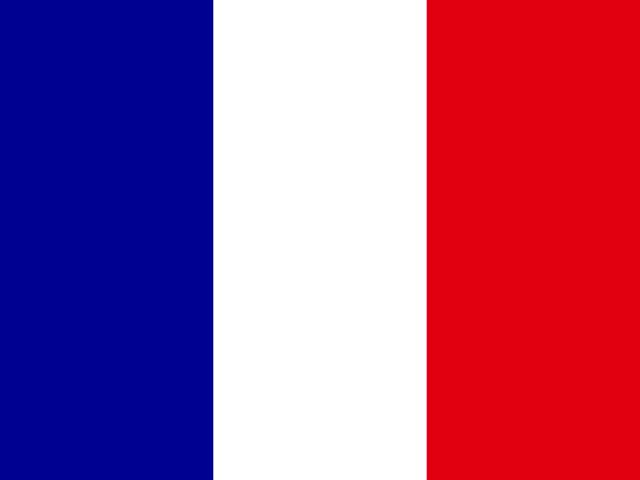
France
French television combines national channels, regional programmes, films and a substantial documentary tradition. France Télévisions illustrates the difference between a national service and the regional identity of France 3.
Read the France guide
United Kingdom
British television brings together public-service broadcasting, commercial channels, specialist sport and a strong catch-up habit. BBC, ITV, Channel 4 and 5 are familiar names, but the channel, regional edition and viewing app are not always the same thing.
Read the UK guide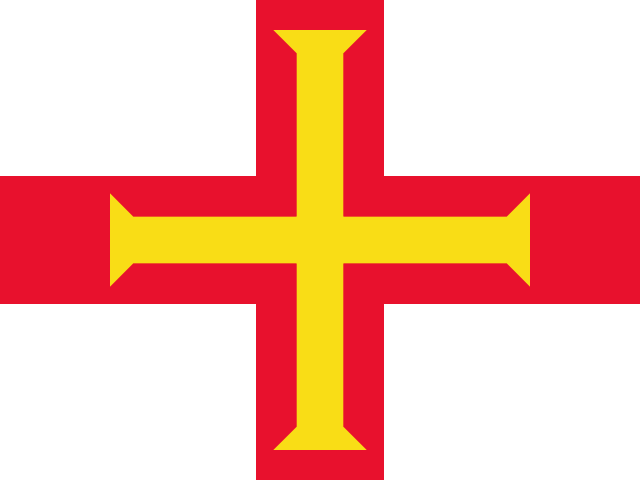
Guernsey
Guernsey’s viewing interests combine local Channel Islands programmes with national British and international television.
Read the Guernsey guide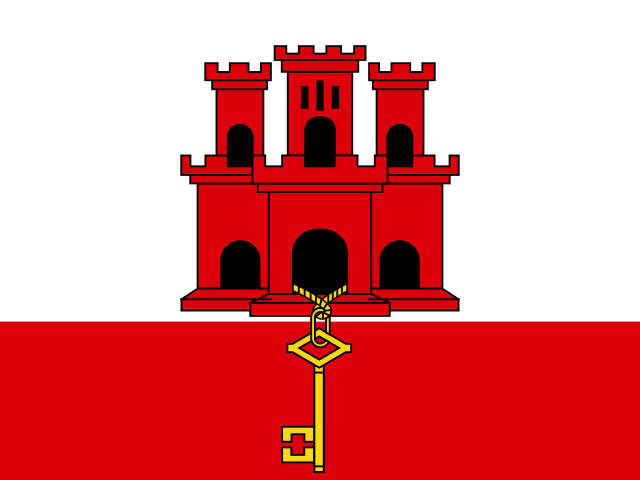
Gibraltar
Gibraltar’s television audience can combine local English-language programmes with British, Spanish and international viewing interests.
Read the Gibraltar guide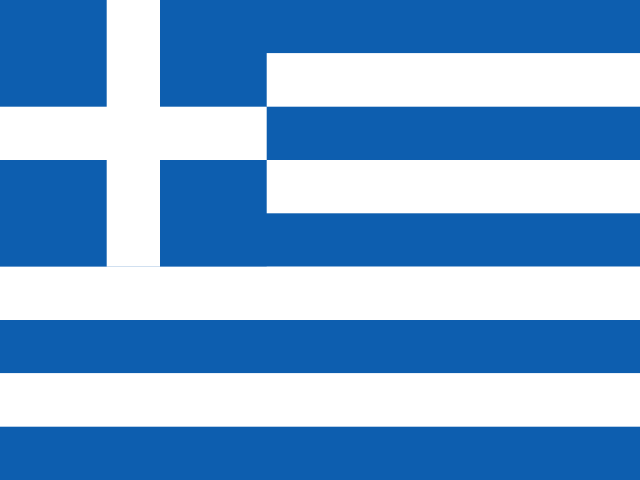
Greece
Greek television combines national news, domestic drama, entertainment and sporting coverage. Greek programme names and the broadcaster identity often provide a clearer search than a translated genre label.
Read the Greece guide
Croatia
Croatian television includes national public-service programmes, domestic entertainment and regional news. Croatian-language viewing can sit beside other familiar South Slavic services without being identical to them.
Read the Croatia guide
Hungary
Hungarian-language television has a distinctive mix of news, drama, entertainment and sport. Original channel and programme names are particularly useful when an English guide translation is incomplete.
Read the Hungary guide
Ireland
Irish television has its own national news, entertainment and sporting traditions. English-language viewing sits alongside Irish-language programming, and a UK television guide does not replace the Irish schedule.
Read the Ireland guide
Isle of Man
The Isle of Man’s television interests combine local news and programme context with a wider British viewing routine.
Read the Isle of Man guide
Iceland
Icelandic television combines a small national market with a wide interest in international entertainment and sport. Icelandic programme and channel names give domestic viewing a clear identity.
Read the Iceland guide
Italy
Italian television offers general entertainment, public-service news, cinema and sport through a wide range of channel identities. Rai 1, Rai 2 and Rai 3 are individual channels rather than interchangeable labels for the same programme stream.
Read the Italy guide
Jersey
Jersey’s television interests include local Channel Islands news and a wider British viewing routine. Regional programme identity remains useful beside national network brands.
Read the Jersey guide
Liechtenstein
Liechtenstein’s television interests can combine domestic information with a wider German-language viewing landscape.
Read the Liechtenstein guide
Lithuania
Lithuanian television has its own national news, home-produced entertainment and sporting interests. Domestic channel names help preserve that local identity in an international guide.
Read the Lithuania guide
Luxembourg
Luxembourg’s television audience can move between Luxembourgish, French and German programming. Language and broadcaster identity are often more useful than a single country-wide category.
Read the Luxembourg guide
Latvia
Latvian television combines local-language programmes, national news and entertainment from wider markets. A channel’s language edition is more informative than a broad Baltic label.
Read the Latvia guide
Monaco
Monaco’s television interests connect local programme identities with a broader French-language and Mediterranean viewing culture.
Read the Monaco guide
Moldova
Moldovan television brings domestic news and entertainment together with Romanian-language and other language viewing. A service name is a useful way to distinguish neighbouring schedules.
Read the Moldova guide
Montenegro
Montenegrin television combines domestic news and programmes with a wider regional viewing culture. The local broadcaster remains an important clue when similar language editions appear together.
Read the Montenegro guide
North Macedonia
North Macedonian television includes Macedonian-language programming and other language communities. Domestic channel identities are useful distinctions within a wider Balkan viewing list.
Read the North Macedonia guide
Malta
Maltese and English both have a place in Malta’s viewing habits. Domestic news and entertainment sit alongside programming from larger international markets.
Read the Malta guide
Netherlands
Dutch television has a distinctive relationship between programme makers and the channels that carry their work. A broadcaster name in a programme credit may identify an organisation rather than a separate channel in the guide.
Read the Netherlands guide
Norway
Norwegian television brings national services together with regional news, documentaries and live sport. Norwegian-language programming has its own channel identities beside imported entertainment.
Read the Norway guide
Poland
Polish television spans national news, home-produced entertainment, film and sport. Polish-language channel names help distinguish the domestic schedule from a dubbed or subtitled programme on an international service.
Read the Poland guide
Portugal
Portuguese television includes mainland broadcasting as well as regional identities in the Azores and Madeira. Those island services have a different local role from a national channel.
Read the Portugal guide
Romania
Romanian television combines domestic news and entertainment with films, documentaries and sport. Romanian-language services can also interest households outside the country who follow programmes from home.
Read the Romania guide
Serbia
Serbian television includes national news, entertainment and sport, with both Cyrillic and Latin spellings appearing in everyday use. A consistent favourites label can help bridge those spellings.
Read the Serbia guide
Russia
Russian-language television covers a very large geographic area and several different daily programme routines. A city or regional edition is useful context alongside a channel name.
Read the Russia guide
Sweden
Swedish television balances national news, entertainment, children’s programmes and an established public-service tradition. SVT’s scheduled channels and its viewing app are related but different ways of finding a programme.
Read the Sweden guide
Slovenia
Slovenian television serves a smaller national market with a clear language and public-service identity. Domestic news and programmes deserve their own place beside larger international services.
Read the Slovenia guide
Svalbard & Jan Mayen
Svalbard and Jan Mayen are grouped in the country-code roster, while inhabited Svalbard has a Norwegian viewing context. The territory label is not a separate television subscription.
Read the Svalbard & Jan Mayen guide
Slovakia
Slovak television has its own national news and entertainment identity alongside familiar Czech-language programming. A shared regional history does not make the two schedules interchangeable.
Read the Slovakia guide
San Marino
San Marino’s television interests combine a domestic public-service identity with wider Italian-language programming.
Read the San Marino guide
Ukraine
Ukrainian-language news, culture and entertainment are distinct viewing interests within an international guide. Use the broadcaster’s current information when following a domestic programme.
Read the Ukraine guide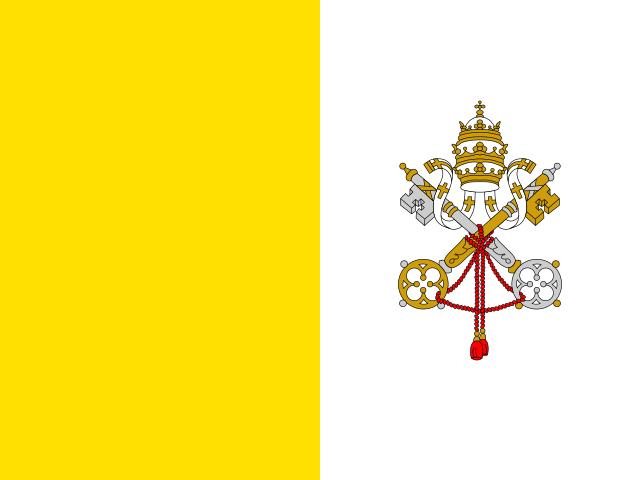
Vatican City
Vatican-related television interests often focus on public events, religious programmes and multilingual coverage. A programme’s language edition can be as important as its channel name.
Read the Vatican City guide